First “Coffee with Memory” Gathering – It Is Important to Recognize Warmongering Tactics and Resist Them
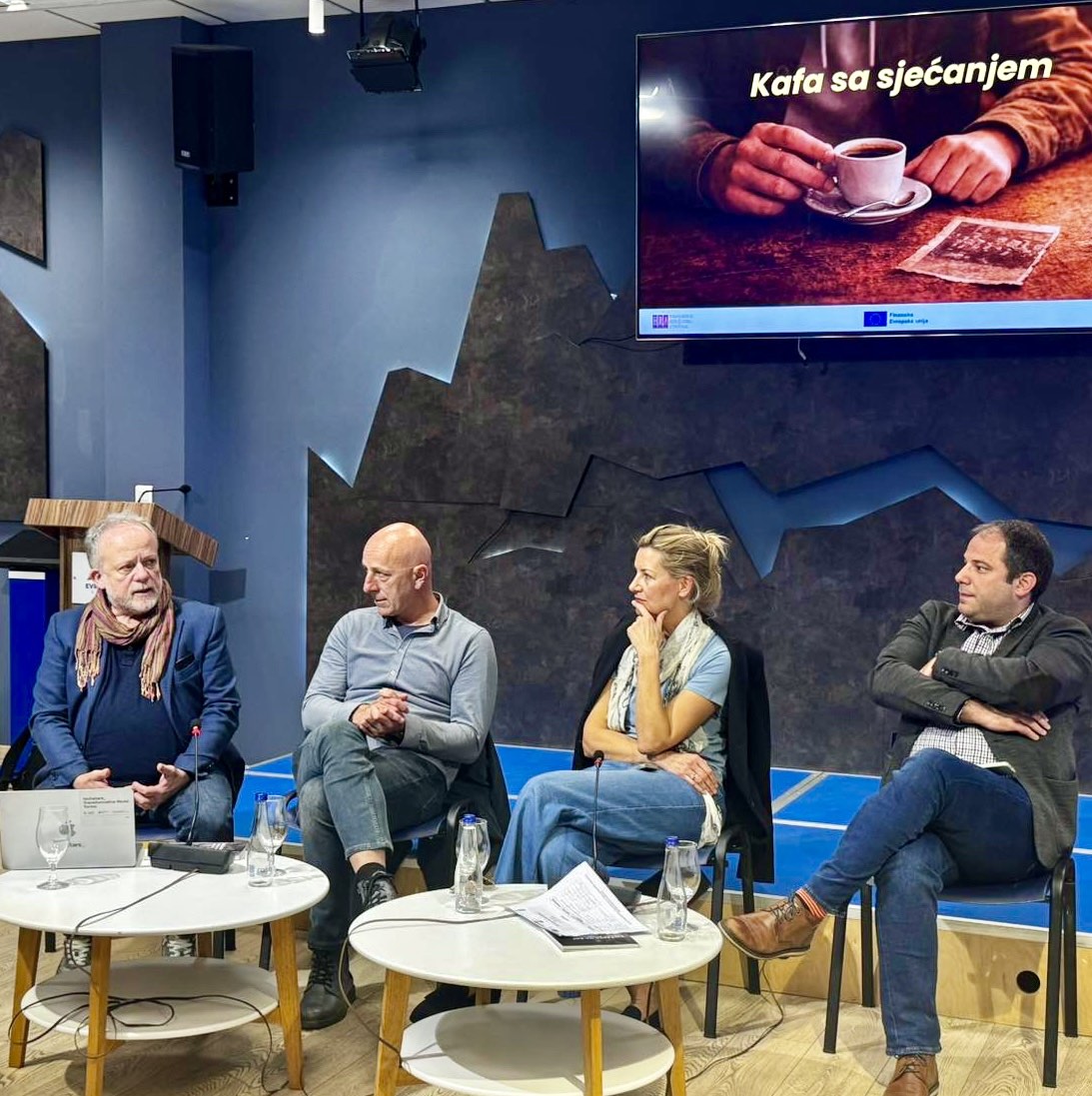
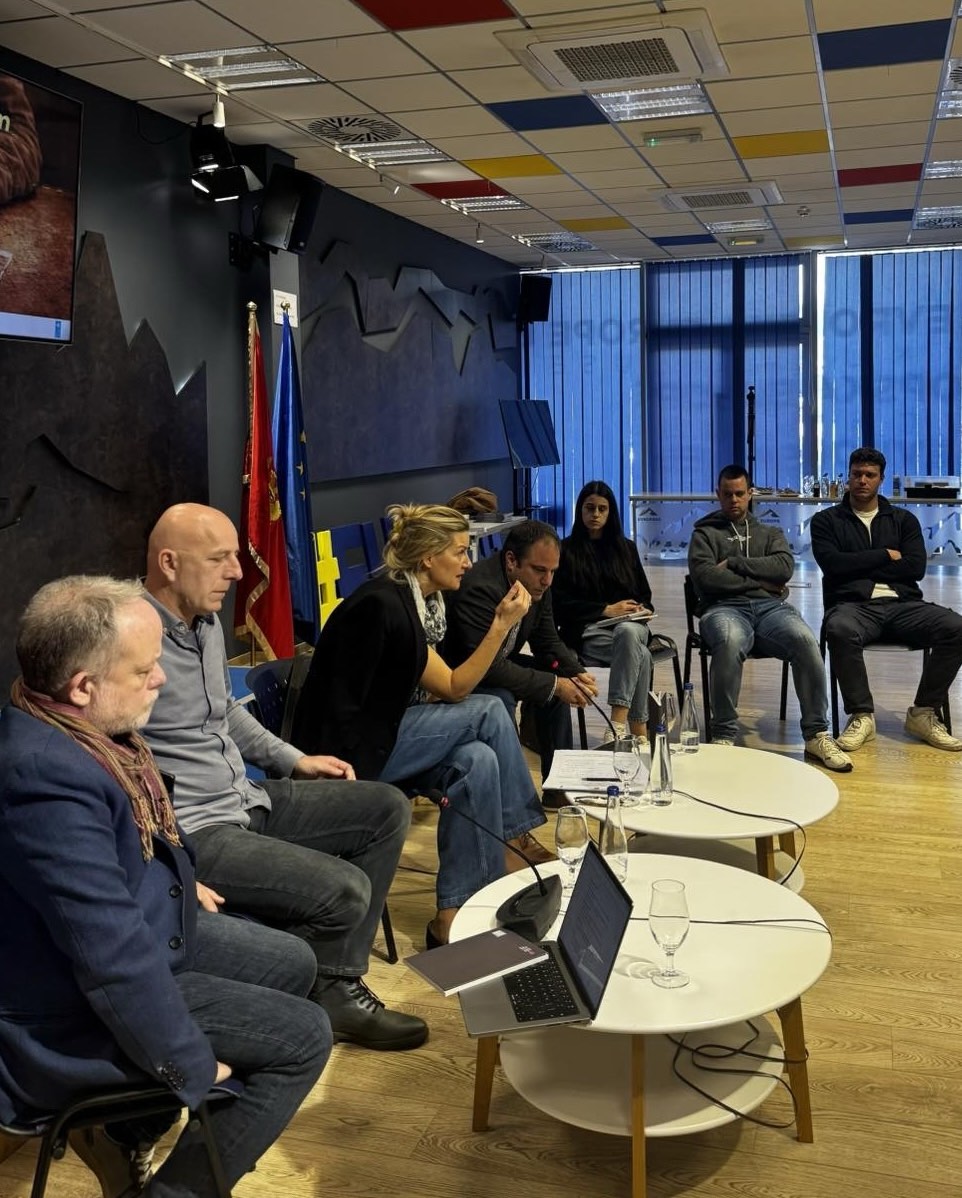
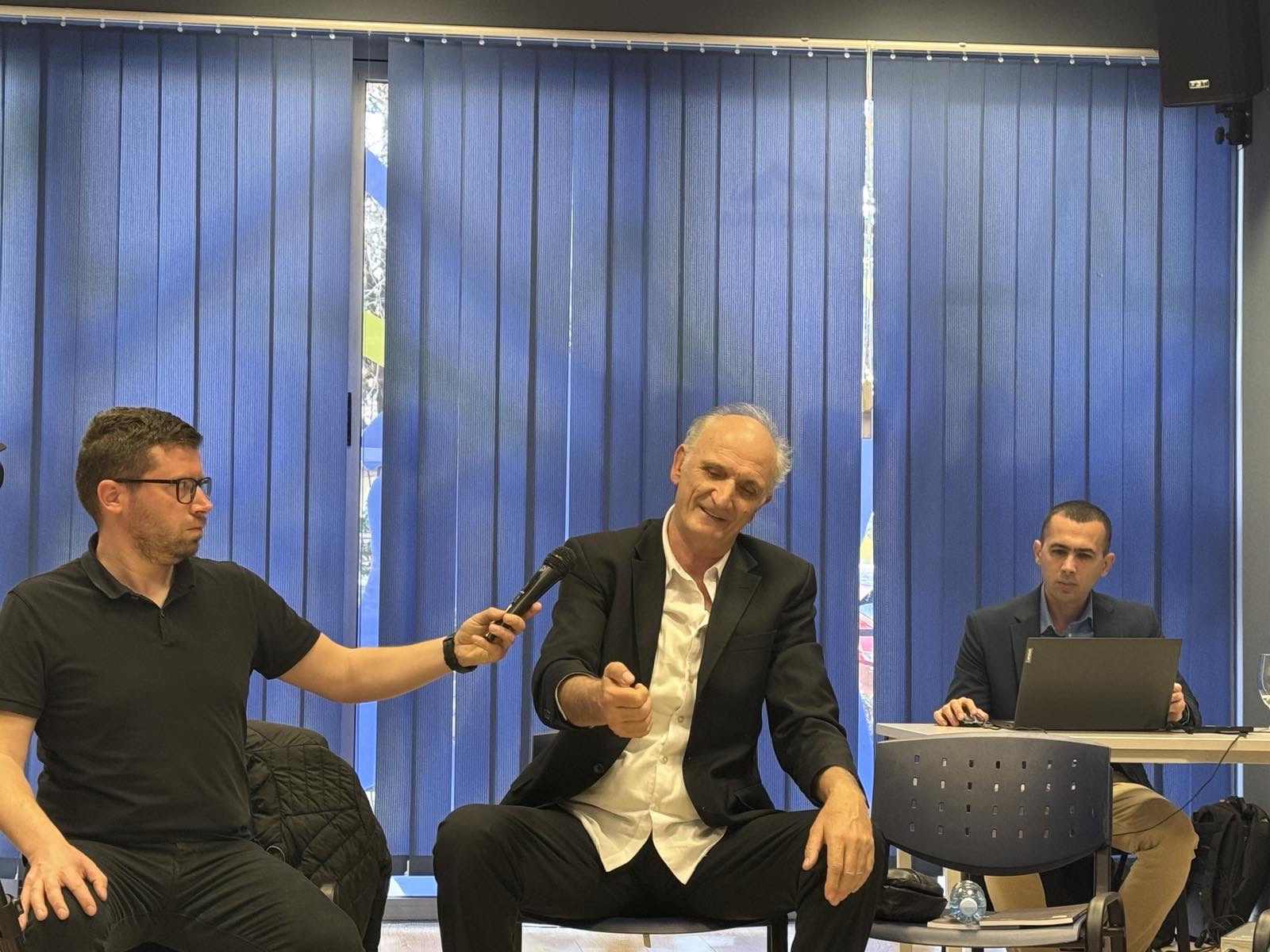
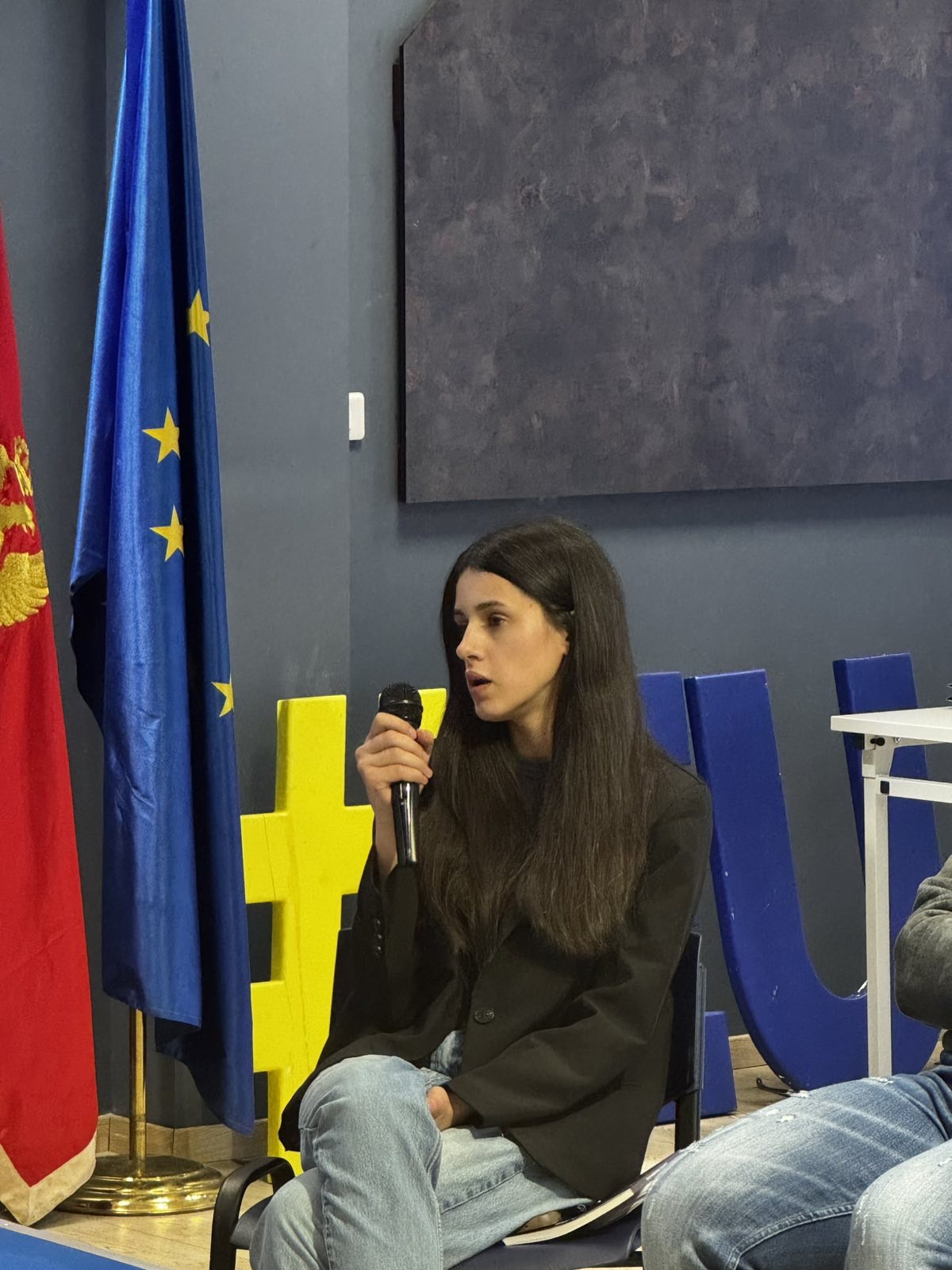
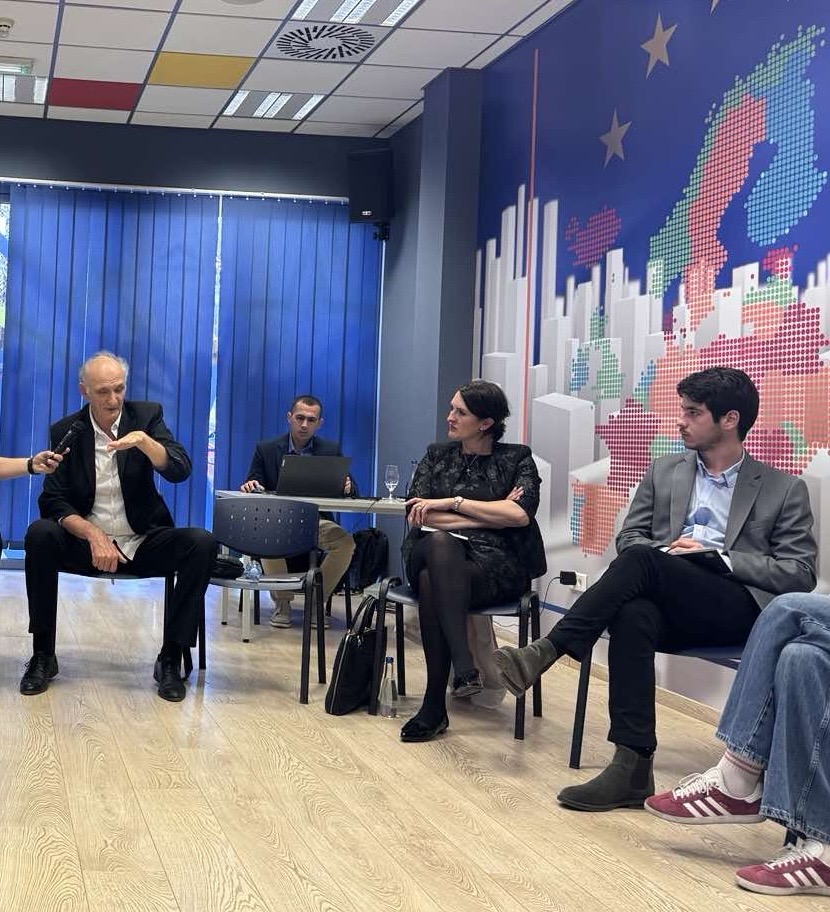
“Creating” a war is the easiest thing to do, which is why young people in Montenegro should be taught to recognize and understand the events that precede it, so that they can raise their voices in time, was the message sent at the first gathering organized by the NGO Human Rights Action under the title “Coffee with Memory”, held on 13 March at Europe House in Podgorica.
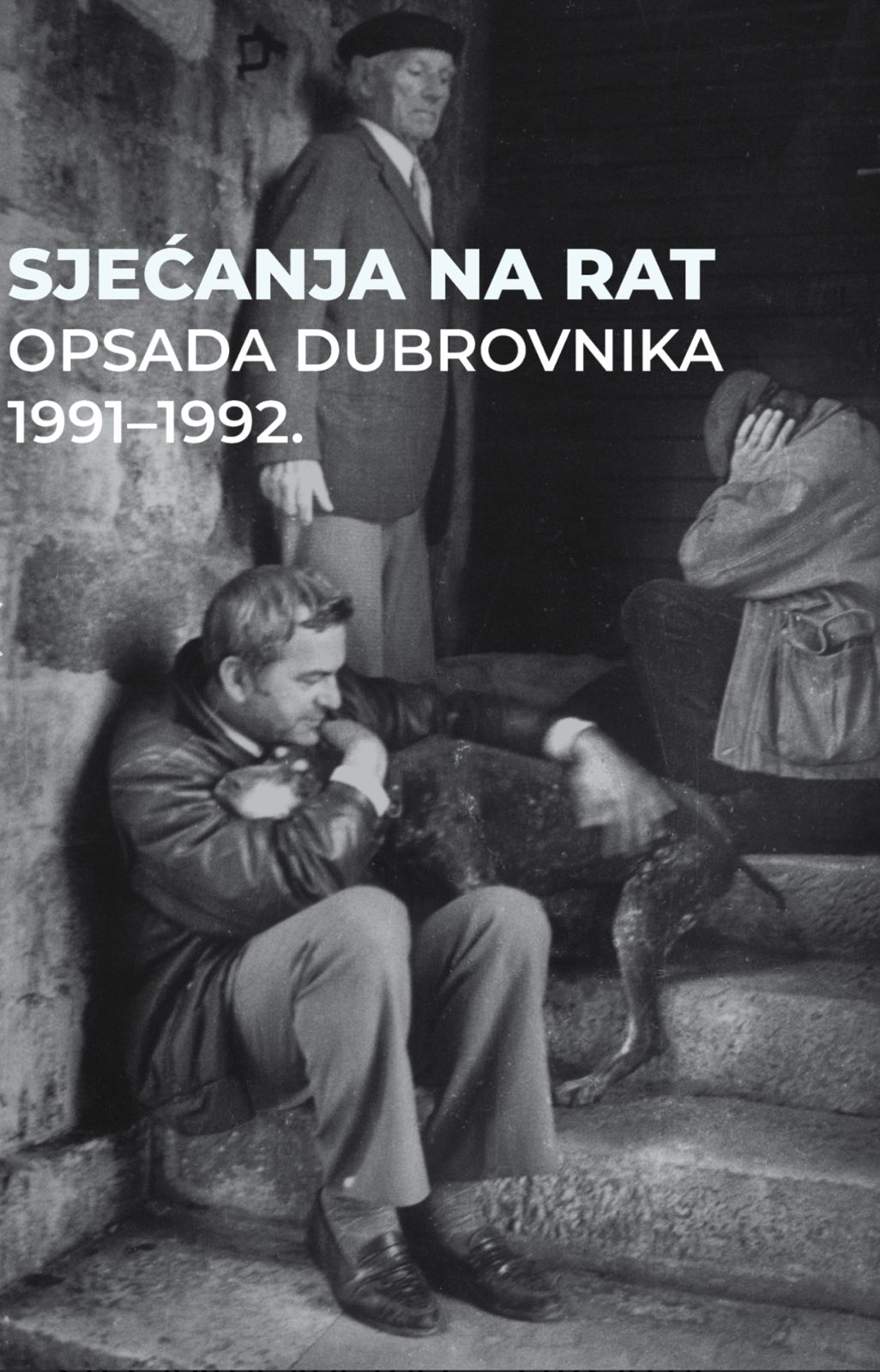
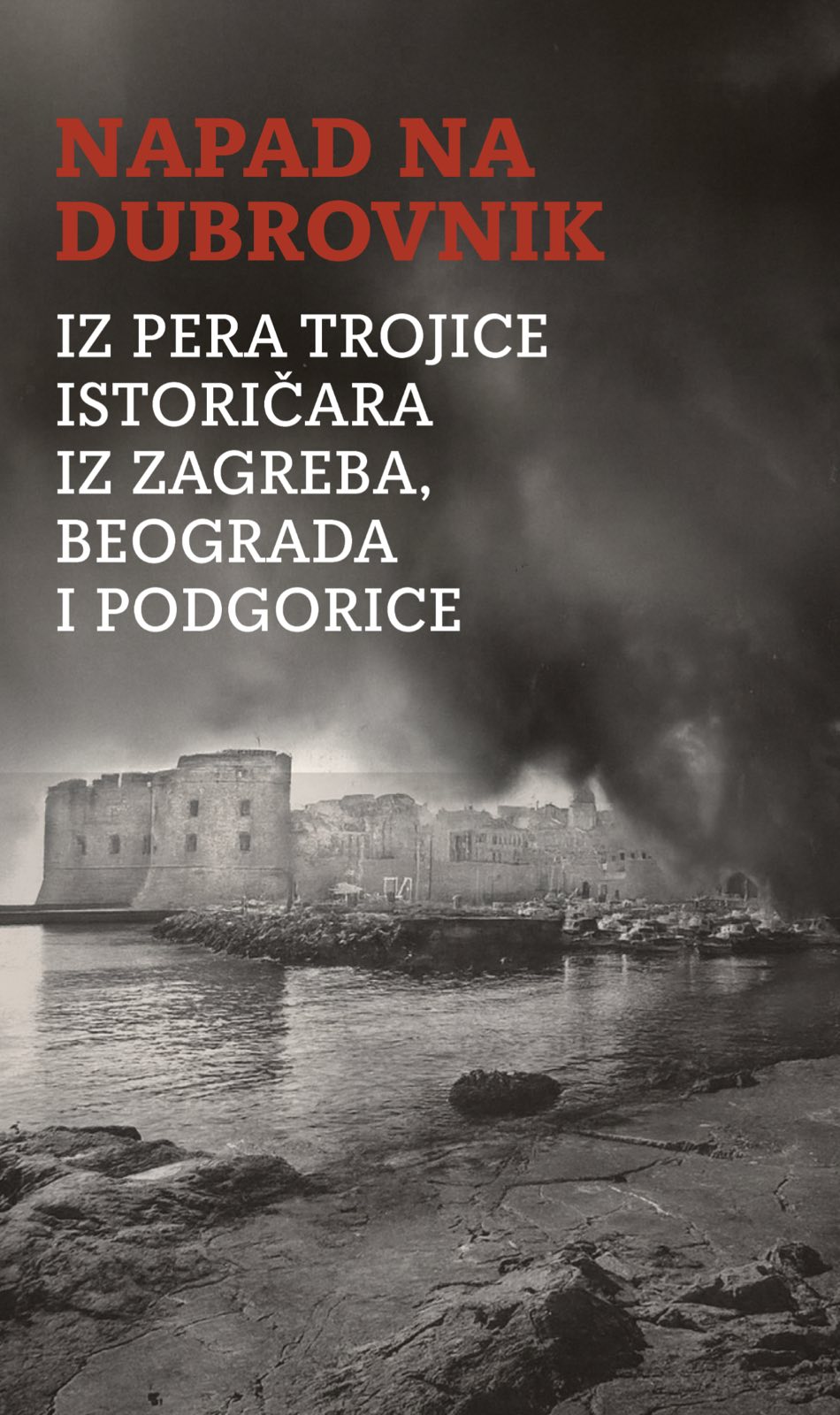
The event, which brought together war veterans and young people, was designed to encourage dialogue about the legacy of the 1990s and to familiarize new generations with the consequences of war propaganda and human rights violations. The focus of the first gathering was the Yugoslav People’s Army campaign against Dubrovnik, which resulted in a nine-month siege of the city during which, among other victims, 116 civilians were killed. Ninety-four Croatian fighters and 165 members of the JNA from Montenegro were also killed.
A Planned Strategy for the Prelude to War
The breakup of the Socialist Federal Republic of Yugoslavia was a long-prepared process, historian Miloš Vukanović believes. In Montenegro, it culminated in 1991 through the spread of nationalist narratives.
“All those narratives have to be spread throughout society. And how are they spread? First, during 1991, there was a purge of state institutions and media outlets. Do not forget that at the time Montenegro had one television station, one radio station, and one print outlet. There was no internet. And the state authorities established complete control over media content, which at the beginning of 1991 was anti-Slovenian, then anti-Croatian, then anti-Bosniak.”
That control, psychologist Radoje Cerović recalls, reached its peak in 1991 through the dissemination of lies. Everything, however, began two years earlier with the anti-bureaucratic revolution.
“It was important to control communication, and at that point the only media outlet (RTCG) was decapitated. From that moment on, people were installed who implemented their constructions of outright lies. You had a free hand, and nobody could say — that is not true.”
“At the time, television was saying that the people of Dubrovnik were inventing the war, that they were setting tires on fire themselves in order to frame us,” recalled Tea Gorjanc-Prelević, Executive Director of Human Rights Action.
In September 1991, state media also broadcast and published claims that 30,000 Ustaše were heading toward Montenegro. That was just one of the falsehoods because of which Budislav Minić arrived at the Dubrovnik front as a volunteer.
“One of my greatest shames is that, at that age — and I was not that young or naïve — I believed my state leaders and state media,” Minić admitted.
He was not the only one who decided to go to the front because of the disinformation being spread. Cerović explained that war strategists successfully influence the emotions of large numbers of people.
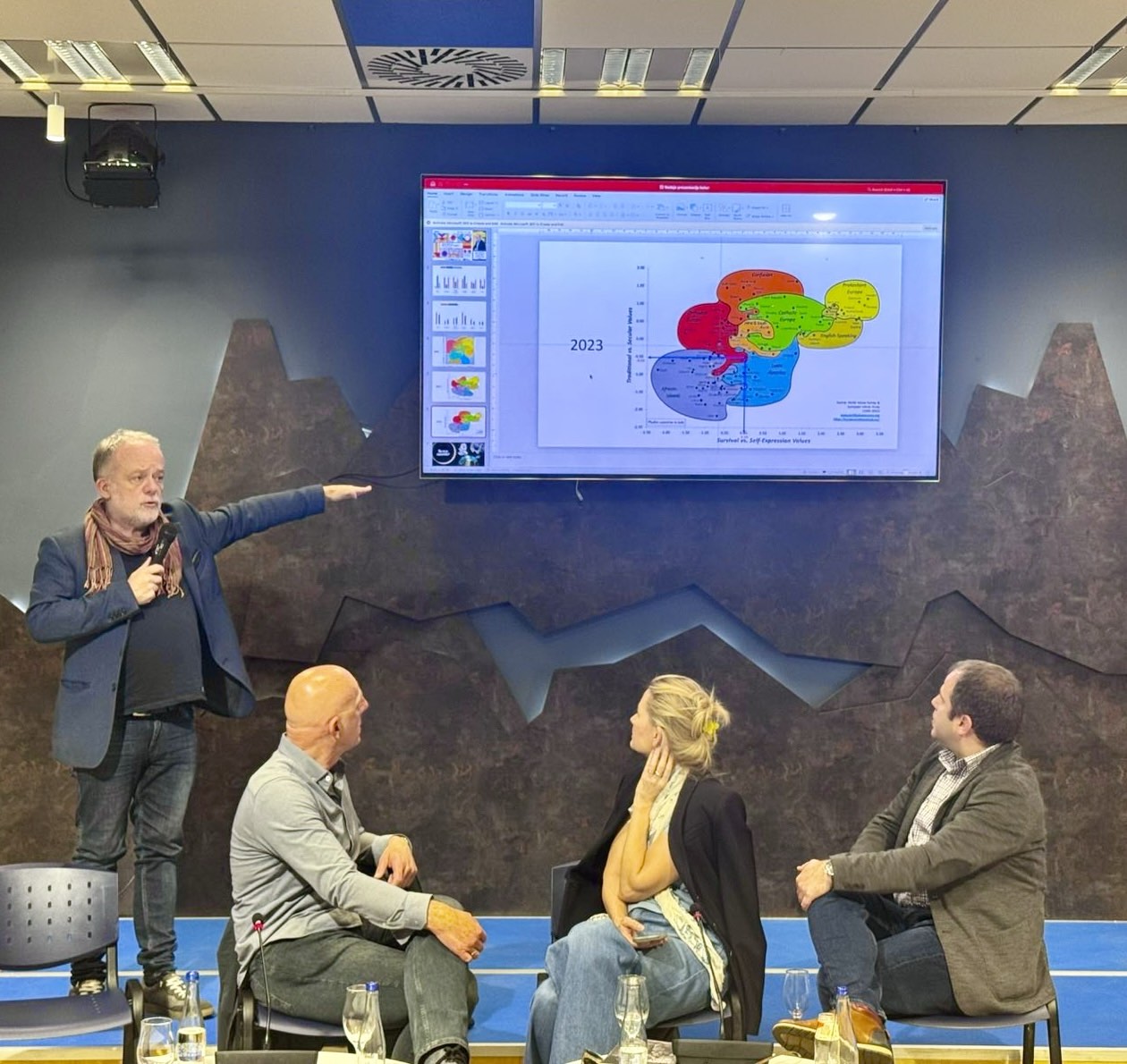
“Creating a war is the easiest possible action. What is extremely important? To have a way to influence emotions… Communication is extremely important, and that communication relies on the instinctive mechanisms of the herd. A war that does not touch those herd mechanisms cannot be created. You have to trigger that mechanism in order to mobilize people. What does that mean? ‘First — us, different from them; then, us as their victims; we will not let them attack us; and we have a sacred duty to defend something — ourselves, our mothers, our history, our faith, our god,’” Cerović explained, describing the familiar pattern.
In addition, he noted, an important part of war strategy is the relativization of history and its rewriting.
“We relativize the Second World War and, very importantly, we relativize the war in Yugoslavia. The moment that narrative gets through, we can do it again. We already have the mechanisms prepared,” Cerović warned.
Testimonies of War Veterans
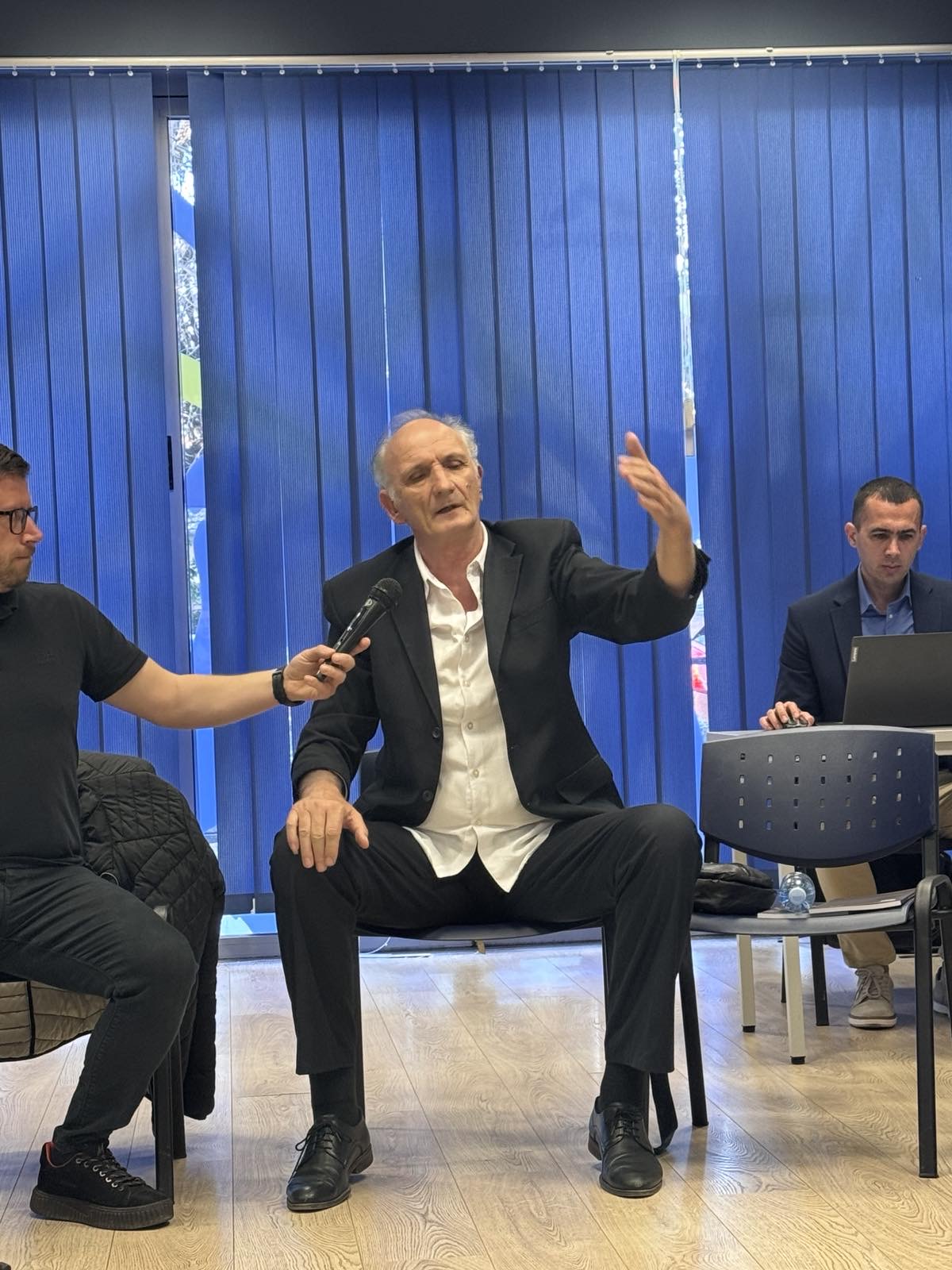
In addition to Budimir Minić, war veterans Predrag Nikolić and Anđelko Jovanović also spoke to those present about their experiences at the Dubrovnik front.
In 1991, after training in Belgrade, Nikolić was sent to Dubrovnik. He had just come of age, but he soon realized that he was playing the role of an occupier.
“Then it was clear to me why we were there. That false story about liberation was being imposed, and that was clear even to me at 18.”
Nikolić says that the fear he felt then, and saw in others, caused him even greater unease.
“You quickly realize that out of fear, people would do all kinds of things,” he said.
Anđelko Jovanović, who came out of the Dubrovnik campaign seriously wounded, explained that order and discipline prevailed in the army until the arrival of volunteers, who began looting and setting fires.
The extent of indiscipline and disorganization at the time is best illustrated by the fact that there was even a clash between two JNA brigades — “Sava Kovačević” from Nikšić and “Veljko Vlahović” from Podgorica.
“In those clashes, some people were wounded and killed…,” Jovanović explained. “The doctors at the hospital in Meljine, where I was treated, told me that 70% of the woundings and deaths were caused by friendly fire. There was a great deal of indiscipline, drunkenness, and poor command.”
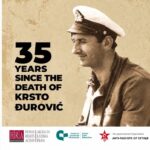
Jovanović also witnessed the helicopter crash in which Krsto Đurović was killed on 5 October 1991. Đurović was the admiral who had promised that Dubrovnik would not be bombed while he was there.
“The pilot, with whom I was close and with whom I was in rehabilitation, told me that everything on that helicopter suddenly failed,” Jovanović said.
Everything that happened in Dubrovnik in the early 1990s should have its rightful place in the education system, Minić believes.
“This should be an integral part of education from the moment children begin to understand things,” he said.
Still, historian Vukanović pointed out that very little progress has been made in that regard.
“From 2005 until today, nothing has changed. We are aware of that and we know it. We are aware that, however much we mention history textbooks, our education system is not adequately set up to deal with difficult and sensitive topics, and that we are far from having enough teaching staff prepared to do that.”
Vukanović recalled that some historians claim it is still not the right time to open these topics, but also noted that just 25 years after the Second World War, the history of the greatest conflict up to that point had already been completed.
Building a Civic Society Is Essential
Participants in the event expressed concern that the narratives used in the 1990s before the war are being pushed once again. Anđelko Jovanović recognizes them in neighboring Serbia.
“The same scenario as when I was heading off against 30,000 Ustaše… It seems the same to me,” he said.
That is why the engagement of young people and intellectuals is essential, so that they can point out anomalies that may cost us dearly.
“Every effort and every voice, whether on social media, at your faculty, or in your circle, matters… We can commit ourselves, we can draw on the good tradition Montenegro has — on examples of humanity and honor. We can build society on that and fight not to end up in some new war,” said Gorjanc-Prelević.
“If you deactivate yourselves — young people, intellectuals — if you deactivate yourselves, the space is left open,” Cerović warned.
In addition to reacting to problematic narratives, it is also necessary to build a strong civic society.
“What is needed is a long-term process of shaping patterns of cultural norms and ways of thinking. For such a thing, there would need to be what could be called a program and a strategy for developing civic awareness. Such a program or strategy does not exist.
On the other hand, you have a very systematic and very strategically well-executed opposite program,” said Radoje Cerović.
Even so, Predrag Nikolić said, such programs are doomed to fail.
“There was a strategy in the 1990s, they were much stronger, much more brutal, and they had much more power, but they failed.”
The activity “Coffee with Memory” was organized as part of the project “Together for Lasting Peace through Education, Dialogue and Memorialization”, implemented by Human Rights Action. The project is carried out with the support of the regional initiative “EU Support to Confidence Building in the Western Balkans”, funded by the European Union and implemented by the United Nations Development Programme (UNDP).















 English