N18.T7 – Speaker of the Parliament of Montenegro Criticised Prosecutors Over Former Minister Vesna Bratić — Prosecutorial Council and European Commission See It as Pressure
N18.T7 – Speaker of the Parliament of Montenegro Criticised Prosecutors Over Former Minister Vesna Bratić — Prosecutorial Council and European Commission See It as Pressure
HRA NEWSLETTER 18 – TOPIC 7
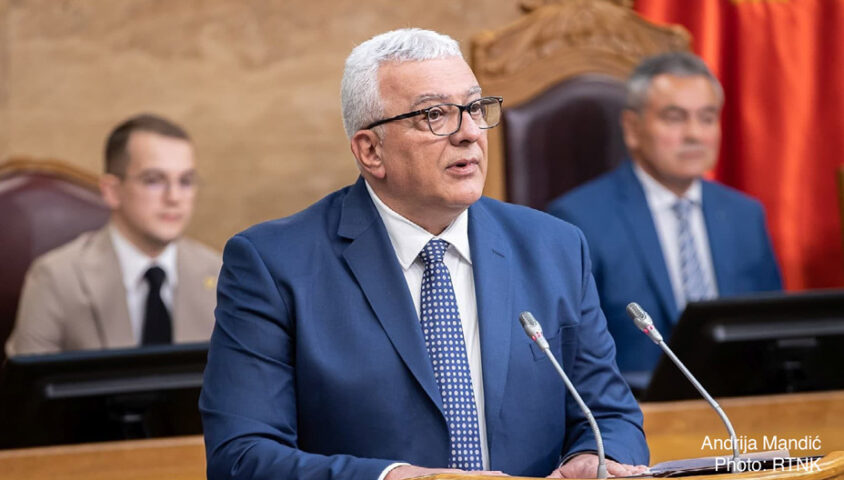
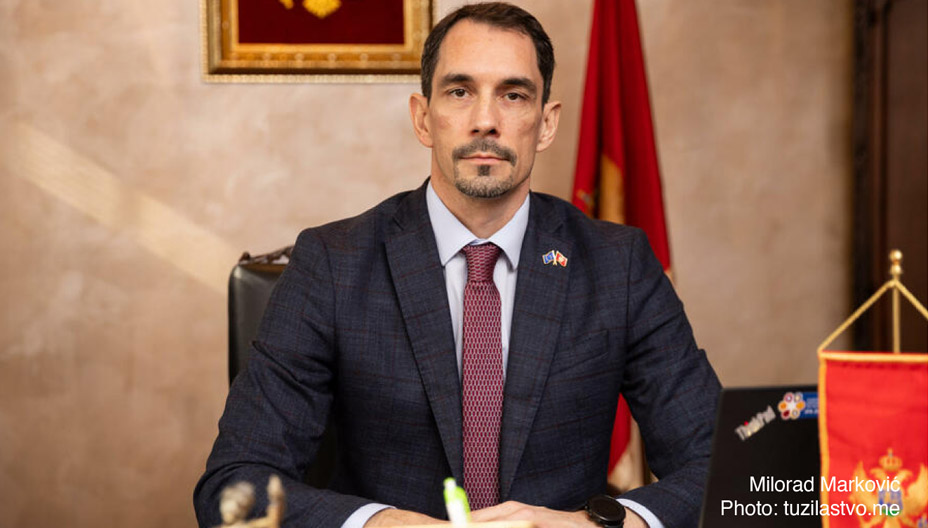
Any form of political interference or public pressure on prosecutors undermines the rule of law and public confidence in institutions — this was the message from the European Commission in response to the criticism levelled by Speaker of the Parliament of Montenegro Andrija Mandić at the prosecution service over the arrest of former Minister Vesna Bratić. The Prosecutorial Council also responded to the positions he expressed in the parliamentary plenary, but Mandić once again issued a sharp assessment of the State Prosecution headed by Supreme State Prosecutor Milorad Marković.
In mid-February, the Speaker of the Montenegrin Parliament sharply commented during a plenary session on the arrest of Vesna Bratić, whom the SSP suspects of abuse of office.
“If someone is abusing power — and we will see how this process ends — the same thing will happen to them that happened to those who carelessly put handcuffs on others, only to find handcuffs put on themselves,” said Mandić.
The Prosecutorial Council responded to these remarks. At a session held on 19 February — following a complaint from the prosecutor handling the case against the former minister — the Council found that the head of Parliament had jeopardised the independence of the prosecution and its officeholders.
The Prosecutorial Council’s opinion, signed by Supreme State Prosecutor Milorad Marković, was delivered to the Speaker of the Parliament on 3 March, which Mandić used as an occasion for renewed criticism of the prosecution. He assessed that they were attempting to discipline and silence Parliament by exerting unlawful influence and pressure on it, and by dictating what he may or may not say as an MP. In a letter sent to Marković, he stated that the prosecutors were violating the constitutionally guaranteed right to freedom of opinion and political action, and that they were not a fourth branch of government.
The European Commission, in a response to Vijesti, stated that any form of political interference or public pressure on prosecutors undermines the rule of law and public confidence in institutions.
“Montenegro’s progress on its path towards EU accession depends on continued progress in rule of law reforms and ensuring that previously achieved results are maintained,” the European Commission stated.
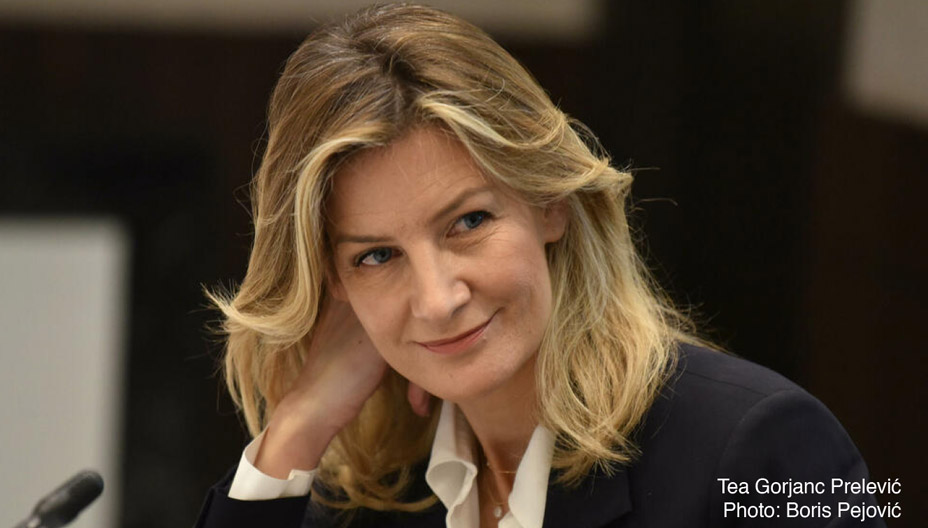
Tea Gorjanc-Prelević, Executive Director of NGO Human Rights Action, assessed that Mandić was advocating for political control of the State Prosecution in contravention of the Constitution, and that through his criticism of prosecutors he was exerting undue pressure on them.
“While it is true that the Speaker of the Parliament has the right to broad freedom of political expression, and while state prosecutors are subject to a greater degree of criticism than judges — as they are one of the parties in criminal proceedings — Mandić is wrong to present the Prosecutorial Council’s finding that he exerted undue pressure on a prosecutor as an attack on Parliament and freedom of expression,” she told Vijesti.
Furthermore, she argued, Mandić employs a particular form of pressure when speaking about the institutional relationship between the Assembly and prosecutors.
“Mandić’s reminder to the Prosecutorial Council that its members are ‘elected and dismissed’ by the Assembly constitutes additional undue pressure on the prosecution. All members of the Prosecutorial Council, including those elected by the Assembly, are obliged to act impartially and independently — not in accordance with political instructions from the MPs who elected them, as Mandić implies,” Gorjanc-Prelević emphasised.
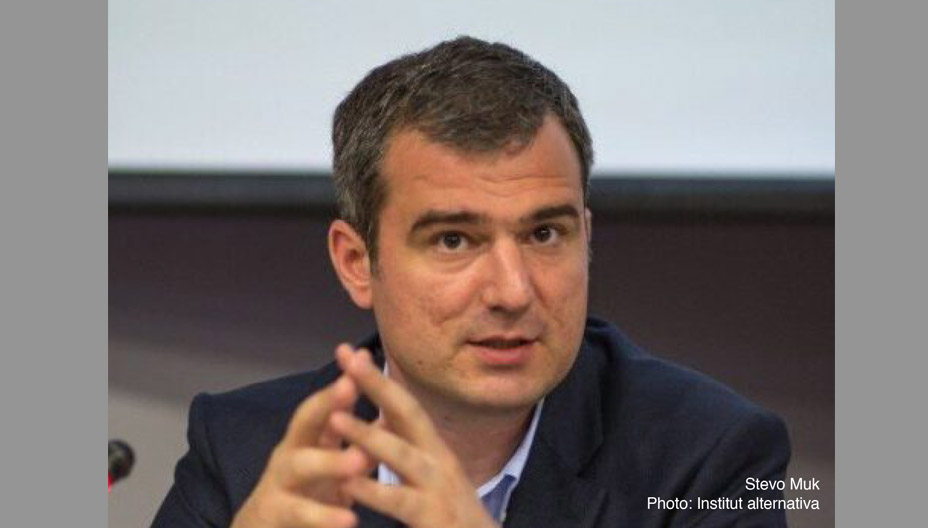
Stevo Muk, President of the Board of NGO Institute Alternative and former member of the Prosecutorial Council, told Vijesti that “we now have a situation in which the prosecution and MPs are pointing to mutual attempts at disciplining one another.”
“Which, from whichever side it comes, is not a desirable practice in a democratic society,” said Muk.
Former Prosecutorial Council member and attorney Miloš Vuksanović assessed that the mutual accusations between Andrija Mandić and the Prosecutorial Council demonstrate “an unacceptable lack of mutual trust among all three branches of government.”
In October, the Parliament of Montenegro did not adopt the annual work reports of the State Prosecution and the Prosecutorial Council, which Supreme State Prosecutor Milorad Marković had presented to MPs. This was preceded by Marković and Chief Special Prosecutor Vladimir Novović declining an invitation from the parliamentary Committee on the Political System, Judiciary and Administration, which had scheduled a control hearing on the Telekom affair.






 English