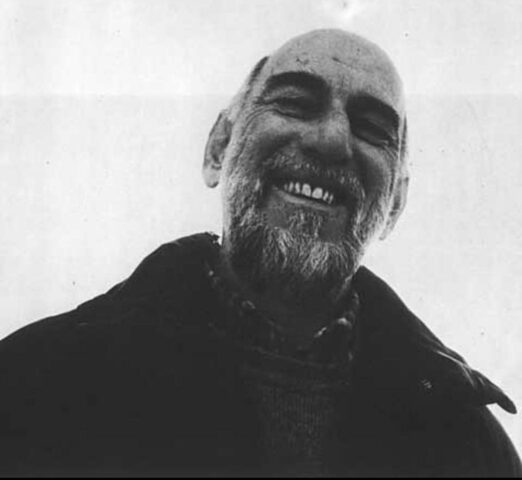
On this day 35 years ago, Milan Milišić, a prominent Yugoslav poet, essayist, writer, translator, dramaturg and journalist, was killed.
He was killed on 5 October 1991, when a shell exploded in the courtyard of his childhood home on Župska Street during the shelling of Dubrovnik. He is considered one of the first civilian victims of the Yugoslav People’s Army (JNA) attack on Dubrovnik. Milišić was of Serbian origin, graduated from the Faculty of Philology in Belgrade and was a member of both the Serbian and Croatian writers’ associations. On the 30th anniversary of his death, a memorial plaque was unveiled at his birthplace at 5 Župska Street, bearing the words:
“Milan Milišić, a writer who loved and dreamed of the City, was born in this house and was killed in the attack by Serbian-Montenegrin aggressors on Dubrovnik on 5 October 1991.”
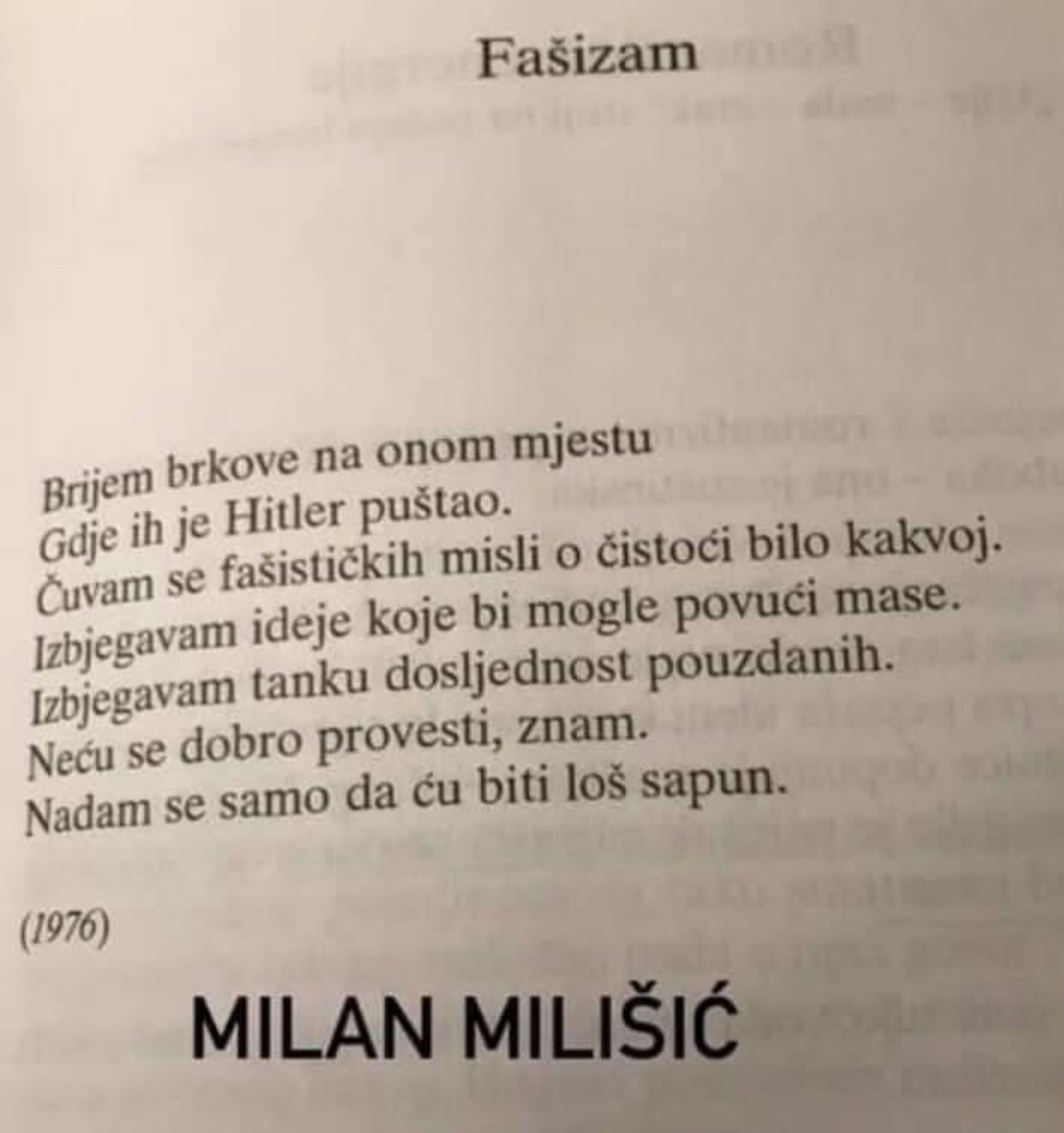
Preserving the memory of Milan Milišić also means remembering the 116 civilian victims of the attacks on the wider Dubrovnik area, whose lives were cut short by a war they neither chose nor caused. Milišić’s death also bears witness to the absurdity of a war waged under nationalist slogans: a war justified by the supposed protection of Serbs claimed, among its first victims, the life of a writer of Serbian origin while he was in his own home.
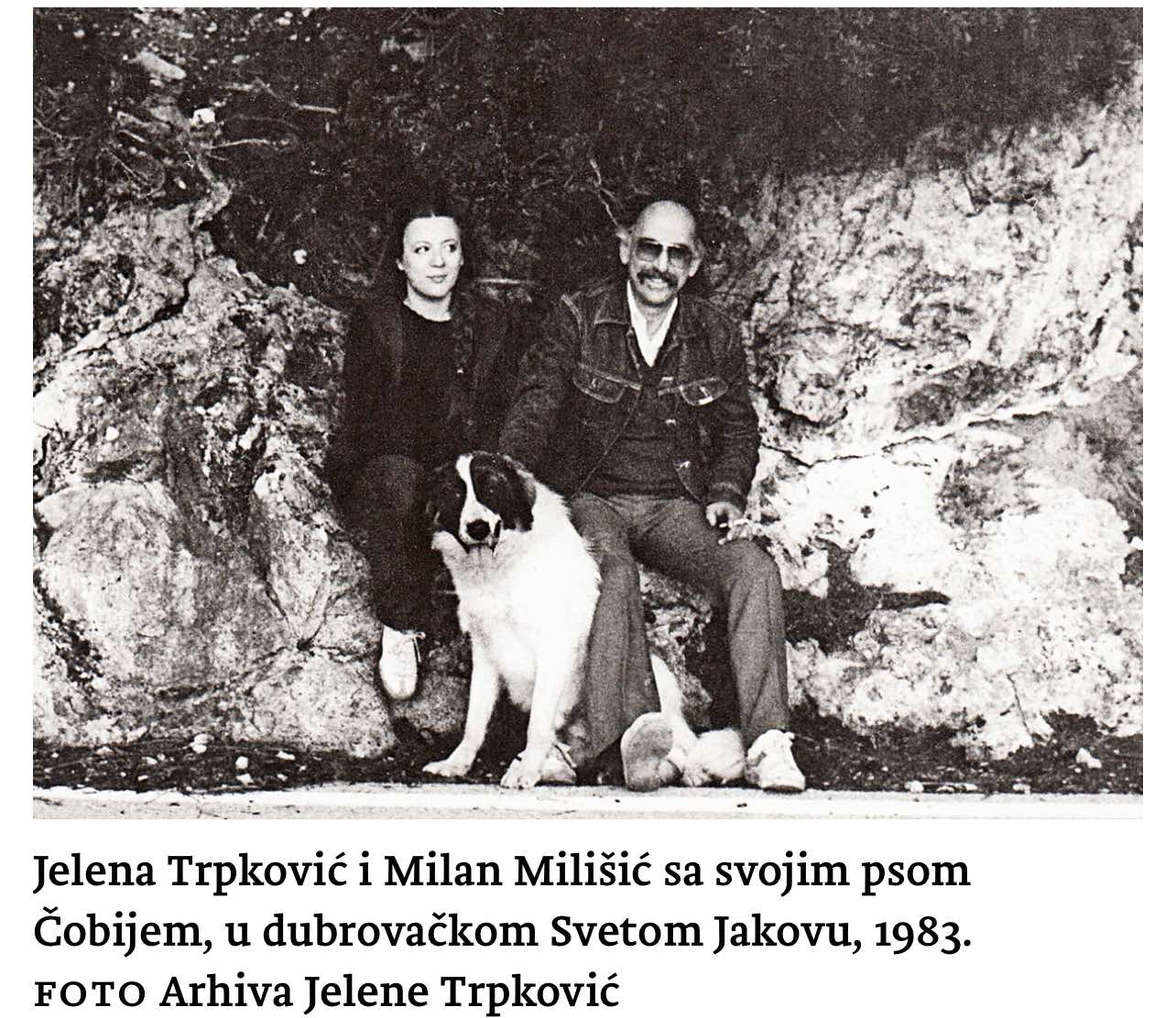
His wife, Jelena Trpković, a painter and professor at the Academy of Fine Arts, recently published a memoir entitled Such Were the Times (1989–2006). It covers her life with Milan in Dubrovnik before his death, as well as the wartime and post-war years she spent travelling between the newly formed states of the former Yugoslavia. In an interview with Vijesti following the publication of the book, Jelena Trpković spoke about her husband’s death and the preservation of his literary legacy. She also shared her impressions of the play Death in Dubrovnik, co-produced by the Prazan prostor Drama Studio and Human Rights Action:
“What a play! Young people, actors, portray their fathers, grandfathers and uncles. Young people who did not know what was happening in the 1990s; some had not even been born. Young people who feel shame on behalf of their fathers and carry the burden of their sins—or so it seemed to me as I watched the play. I saw it in Belgrade. I do not believe I will see anything so powerful, so good, so true to life again anytime soon…”


 Preserving the memory of Milan Milišić also means remembering the 116 civilian victims of the attacks on the wider Dubrovnik area, whose lives were cut short by a war they neither chose nor caused. Milišić’s death also bears witness to the absurdity of a war waged under nationalist slogans: a war justified by the supposed protection of Serbs claimed, among its first victims, the life of a writer of Serbian origin while he was in his own home.
 His wife, Jelena Trpković, a painter and professor at the Academy of Fine Arts, recently published a memoir entitled Such Were the Times (1989–2006). It covers her life with Milan in Dubrovnik before his death, as well as the wartime and post-war years she spent travelling between the newly formed states of the former Yugoslavia. In an interview with Vijesti following the publication of the book, Jelena Trpković spoke about her husband’s death and the preservation of his literary legacy. She also shared her impressions of the play Death in Dubrovnik, co-produced by the Prazan prostor Drama Studio and Human Rights Action:


 English